
Wordle and Word Games: Pattern Guessing and Letter Frequency Strategy
Use letter frequency, vowel placement, and positional entropy to solve Wordle in fewer guesses and win more word games overall.
By Priya Nair · May 12, 2026
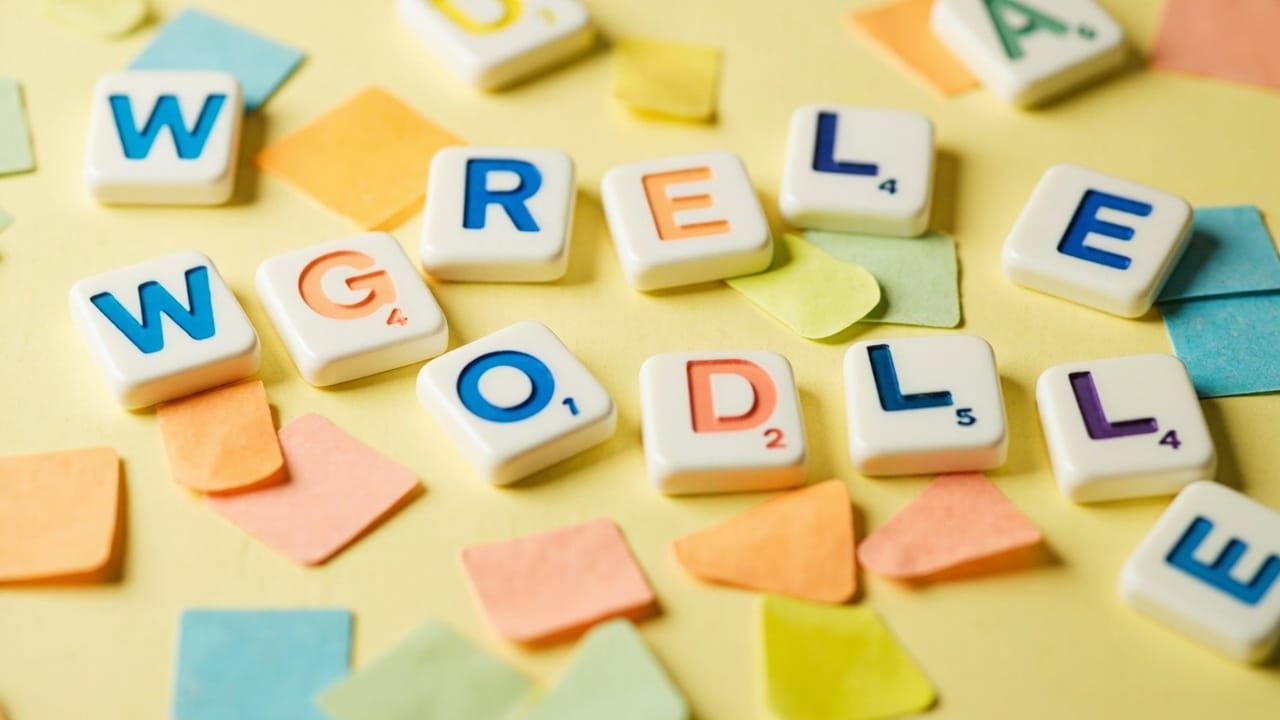
Wordle rewards information as much as it rewards vocabulary. A good first guess does not try to solve the puzzle; it narrows the field. The best players treat the game like a search problem, using letter frequency and positional clues to shrink the possible answers as fast as possible.
Start with High-Frequency Letters
The Most Common Letters
In English, the most frequent letters are E, A, R, I, O, T, N, S, L, and C. A strong opening word covers as many of these as possible. Words like CRANE, SLATE, and ADIEU are popular because they test common vowels and consonants at once.
Include Both Vowels and Consonants
Opening with all vowels tells you little about consonants, and opening with all consonants leaves vowel positions unknown. A balanced mix of two or three vowels and three consonants is usually best.
Use the Feedback Wisely
Green Tiles Are Constraints
A green tile fixes a letter in a specific position. From that point on, every guess must respect that position. Do not waste guesses moving green letters around.
Yellow Tiles Are Information, Not Placement
A yellow tile means the letter is in the word but not in that spot. Try it in every other available position in your next guess. If the same letter appears yellow twice, it may occur more than once.
Gray Tiles Eliminate
Gray letters are not in the word at all. Remove them from consideration immediately. A common mistake is reusing a gray letter out of habit.
Positional Strategy
Test Double Letters
If you have four letters confirmed and one blank, consider whether a double letter might fit. Common doubles include SS, EE, LL, OO, and TT. In hard mode, testing doubles becomes especially important.
Think About Endings
Many five-letter words end in -ER, -ED, -ES, -LY, or -ING fragments. If your yellows include E and R, try placing them at the end early. Endings are often more restrictive than beginnings.
Beyond Wordle
The same principles apply to crosswords, Scrabble, and Boggle. High-frequency letters are more likely to fit, vowels define word shape, and positional constraints are the fastest way to eliminate wrong answers. The more word games you play, the more these patterns become instinctive.
Conclusion
Winning Wordle consistently is less about knowing rare words and more about asking the right questions with each guess. Use letter frequency, protect your greens, chase your yellows, and never repeat a gray. Over time, four guesses will feel normal instead of lucky.