Daily Brain Training: Why 10 Minutes of Puzzles Protects Your Mind
Short daily puzzle sessions can improve working memory, focus, and mental flexibility. Here is the science-backed way to build a habit that lasts.
By Dr. Priya Nair · March 8, 2026
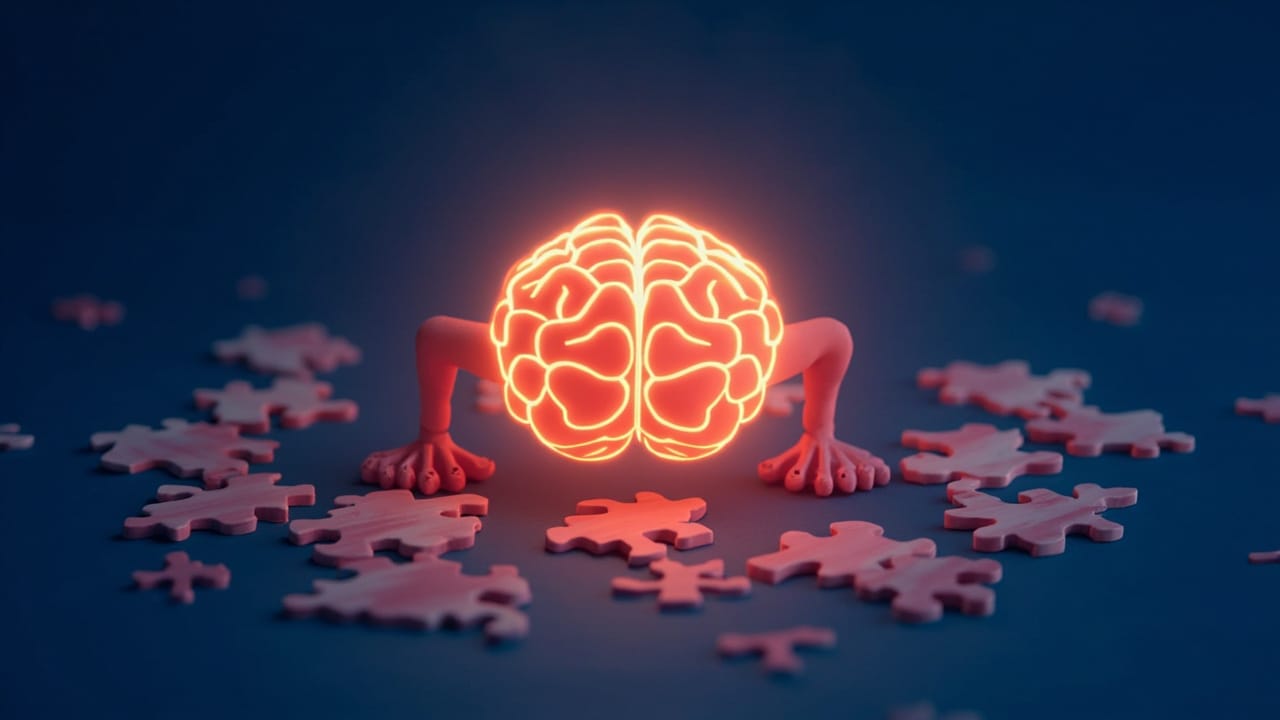
Ten minutes of focused puzzle play each day will not turn you into a genius, but it can meaningfully support the mental skills you use every day. Working memory, selective attention, and cognitive flexibility all respond to regular practice. The key is consistency and variety, not marathon sessions.
What Puzzles Actually Train
Working Memory
Working memory is your brain's temporary scratchpad. Sudoku forces you to hold candidate numbers in mind while scanning rows and boxes. Crosswords ask you to keep letter patterns and definitions active at the same time. Over time, that mental juggling becomes easier.
Selective Attention
Minesweeper and hidden-object games train selective attention because they require you to ignore irrelevant cells and focus only on the clues that matter. That skill transfers directly to filtering distractions in real life.
Cognitive Flexibility
Word games like Wordle push you to switch between strategies: first guess for information, second guess to confirm letters, third guess to solve. That rapid shifting between approaches is cognitive flexibility in action.
Building a Sustainable Habit
Anchor Puzzles to an Existing Routine
Habits stick best when they attach to something you already do. Solve one puzzle while your coffee brews, or play a quick round after brushing your teeth. The trigger is already built in.
Rotate Types of Challenge
Doing the same puzzle every day creates a narrow kind of expertise that does not generalize well. Alternate between logic, word, number, and spatial games to keep multiple brain networks engaged.
Track Streaks, Not Speed
Speed creates pressure and can make puzzles feel like work. Track whether you showed up, not whether you beat your best time. A long streak is a better motivator than a leaderboard rank.
Realistic Expectations
- Puzzles are not medicine: They support cognitive health but do not prevent or cure disease.
- Sleep and exercise matter more: A rested, active brain learns faster than a tired one.
- Difficulty should match skill: Puzzles that are too easy bore you; puzzles that are too hard frustrate you. Aim for the edge of your ability.
Conclusion
A ten-minute daily puzzle habit is one of the easiest investments you can make in your mental fitness. Pick a time, rotate the games, and focus on showing up. The benefits build quietly over months.